Apple Resale and the Secondary Market
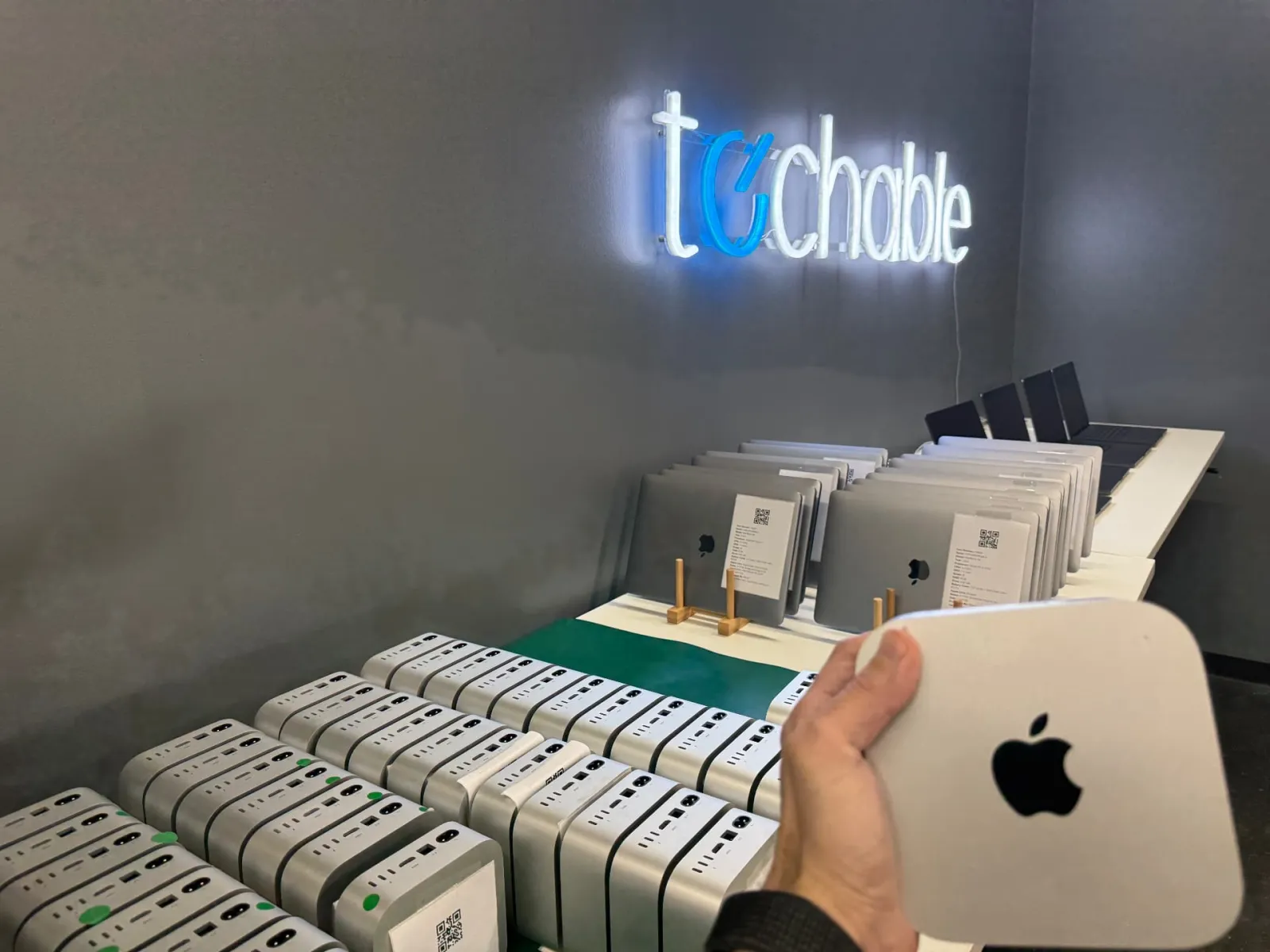
Jonathan Brax buys, tests and resells Apple hardware through Techable and SellMac, and has worked in the Mac secondary market since 2008. That means daily exposure to what used Macs are worth, how quickly values move after a new release, which generations still sell and which stop clearing. He can speak to secondary-market behavior from transaction experience rather than list prices.
For media inquiries: jon@techable.com
Why this topic matters in practice
A new release and the matching supply do not arrive together
An announcement can change what buyers are willing to pay for the prior generation before the corresponding trade-in units reach sellers. A seller pricing from older comparables carries that gap, which is one of the timing risks in this market.
Business upgrade cycles are part of the supply picture
Fleet refreshes and lease returns release batches of machines into the secondary market on a schedule that is easier to anticipate than individual consumer decisions. That is one input into which models are widely available in a given period.
Apple silicon changed the reference points
The move from Intel to Apple silicon changed both performance expectations and how long a machine stays adequate for ordinary work. Pricing assumptions carried over from the Intel era are worth re-examining rather than reusing, which is a recurring theme in Jonathan's writing on the M-series.
Configuration can matter as much as model year
Storage and memory affect how quickly a used Mac finds a buyer. A newer machine in a minimum configuration can be harder to sell than an older one specified for heavier work.
Questions Jonathan can help with
- What happens to business Macs after a company upgrades?
- How quickly do used Mac prices move after a new Apple release?
- How did the Apple silicon transition change Mac resale economics?
- Which Macs hold value and which fall off sharply, and why?
- Where does the supply of used Macs actually come from?
- How do storage and memory configurations affect resale demand?
Working on something along these lines? jon@techable.com
Current observations
What Jonathan is seeing in day-to-day operations at Techable and SellMac. These are his observations from that work, not measured data or a claim about the market as a whole.
There is steady demand for prior-generation machines
Buyers who need a working machine rather than the newest one keep asking for the previous generation after launch coverage has moved on.
Base storage comes up as a constraint
Entry-level configurations are the ones Jonathan sees questions and hesitation about most often, and that shows in how long those units sit.
Supply can arrive in batches
Fleet refreshes and liquidations can put many identical machines into the market at once, which affects pricing for that exact configuration.
Related work
- Techable News · May 2026Apple Pulled the Cheapest Mac mini. The Real Story is Demand.
Jonathan's analysis of Mac mini pricing, supply, demand and what the change means for the refurbished market.
Written by Jonathan - Techable News · June 2026M-Series Changed Everything and Most Resellers Haven't Caught Up
A look at how Apple silicon changed Mac resale economics and the assumptions used by secondary-market sellers.
Technically reviewed by Jonathan
Background
Jonathan Brax is the founder of Techable, an electronics e-commerce business, and SellMac, a device trade-in business. He has worked in the secondary electronics market since 2008, across acquisition, evaluation, testing, repair, refurbishment, trade-in, resale, reuse and parts recovery. Most of that work involves Apple hardware, including Macs bought from consumers, businesses and liquidations, then tested, graded, repaired where it makes sense, and resold or parted out. He is based in the Chicago area and speaks from day-to-day operating experience rather than research.