Device Reuse, E-Waste and Hardware Lifespan
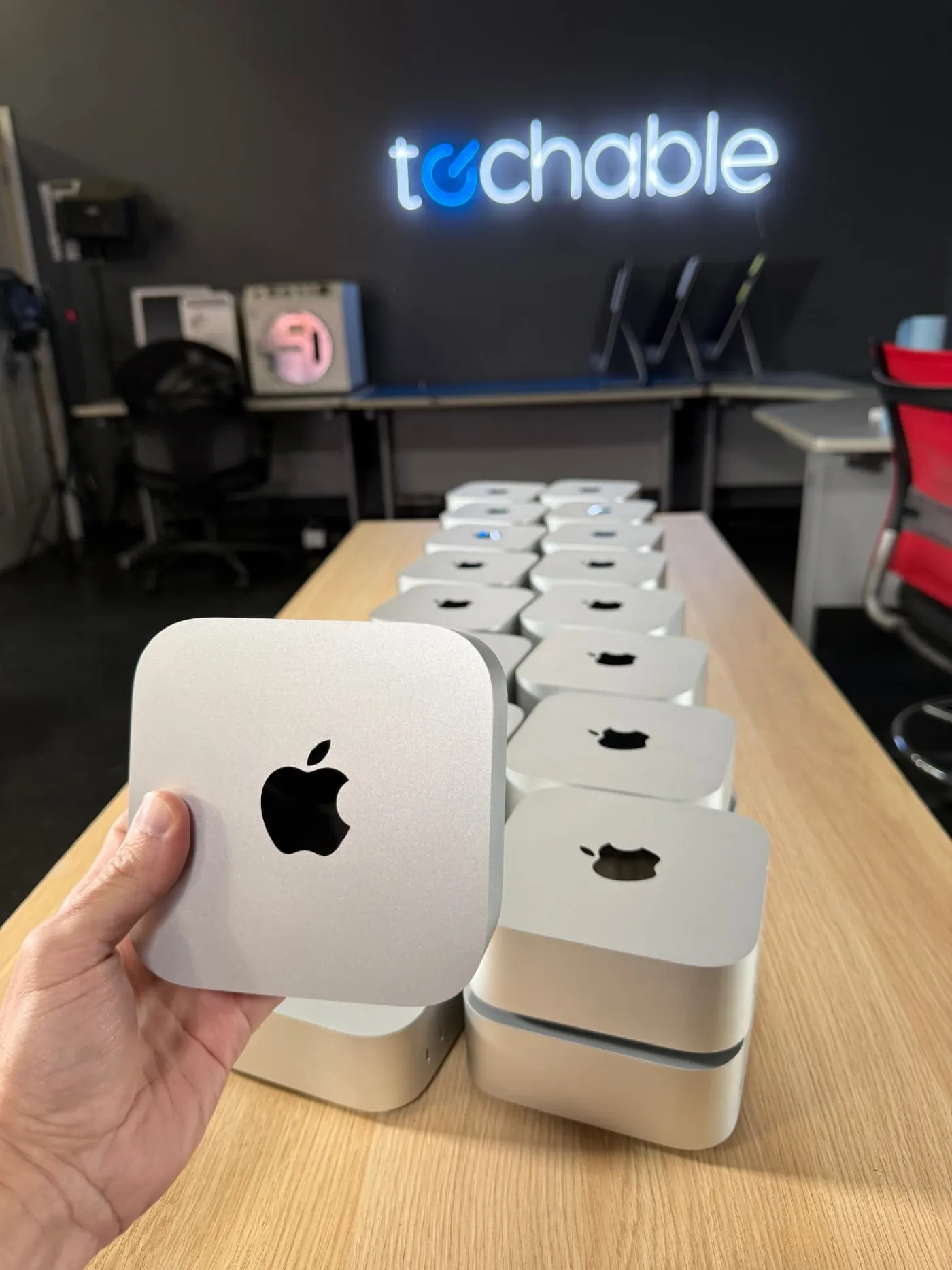
Through Techable and SellMac, Jonathan Brax handles devices at the point where someone has decided to stop using them. Since 2008 that has meant deciding, unit by unit, whether hardware is resold, repaired first, stripped for parts or sent to recycling. He can explain what actually keeps working equipment in circulation and what pushes it out, without treating reuse as either automatic or purely a matter of goodwill.
For media inquiries: jon@techable.com
Why this topic matters in practice
Usefulness and resale value can move apart
A computer can remain adequate for browsing, documents, point of sale or a fixed task after its market price has fallen a long way. Price responds to demand for newer capability, which is a different thing from whether the machine can still do ordinary work.
Reuse competes with handling cost
Every reused device carries labor: intake, testing, cleaning, listing, packing and support. Below a certain resale price that labor can exceed the return, and parts recovery becomes the outcome even though the machine works. Raising what a device is worth, or lowering what it costs to process, changes that math directly.
Parts recovery is a form of reuse
A machine that is uneconomical to sell whole can keep other machines running. Screens, batteries, logic boards and enclosures pulled from one unit are a practical source of parts for repairs where new parts are unavailable or expensive.
Recycling is the last option in Jonathan's process
Material recovery reclaims part of what went into a device, while keeping assembled hardware in service preserves more of it. The order Techable and SellMac work through is resell, repair and resell, harvest parts, then recycle.
Questions Jonathan can help with
- Why can a computer remain useful after its resale value falls sharply?
- How is the decision made between repair, resale, parts recovery and recycling?
- What causes working hardware to be scrapped?
- What would actually keep more functional devices in circulation?
- How does processing cost limit how much reuse is practical?
- Where do the parts used in repairs come from when new parts are unavailable?
Working on something along these lines? jon@techable.com
Current observations
What Jonathan is seeing in day-to-day operations at Techable and SellMac. These are his observations from that work, not measured data or a claim about the market as a whole.
Labor cost is part of the scrap decision, not just condition
A working device can still leave circulation when handling, testing and support cost more than it returns. Condition is one input into that decision rather than the whole of it.
Fleet lots can arrive in more consistent condition
Business hardware often comes in as batches of similar configuration, which makes it quicker to evaluate as a group. Each lot is still assessed unit by unit.
Data handling comes before anything else
Nothing moves until drives are wiped and ownership is cleared. Where that is difficult, reuse stalls regardless of hardware condition.
Related work
- Techable News · June 2026M-Series Changed Everything and Most Resellers Haven't Caught Up
A look at how Apple silicon changed Mac resale economics and the assumptions used by secondary-market sellers.
Technically reviewed by Jonathan
Background
Jonathan Brax is the founder of Techable, an electronics e-commerce business, and SellMac, a device trade-in business. He has worked in the secondary electronics market since 2008, across acquisition, evaluation, testing, repair, refurbishment, trade-in, resale, reuse and parts recovery. Most of that work involves Apple hardware, including Macs bought from consumers, businesses and liquidations, then tested, graded, repaired where it makes sense, and resold or parted out. He is based in the Chicago area and speaks from day-to-day operating experience rather than research.