 Jonathan Brax
A Profitable Flip Is Not a Business
One good resale decision proves almost nothing. What changes when the same decision repeats across hundreds or thousands of units, why inventory is cash sitting on a shelf, and what starts to matter more than margin.
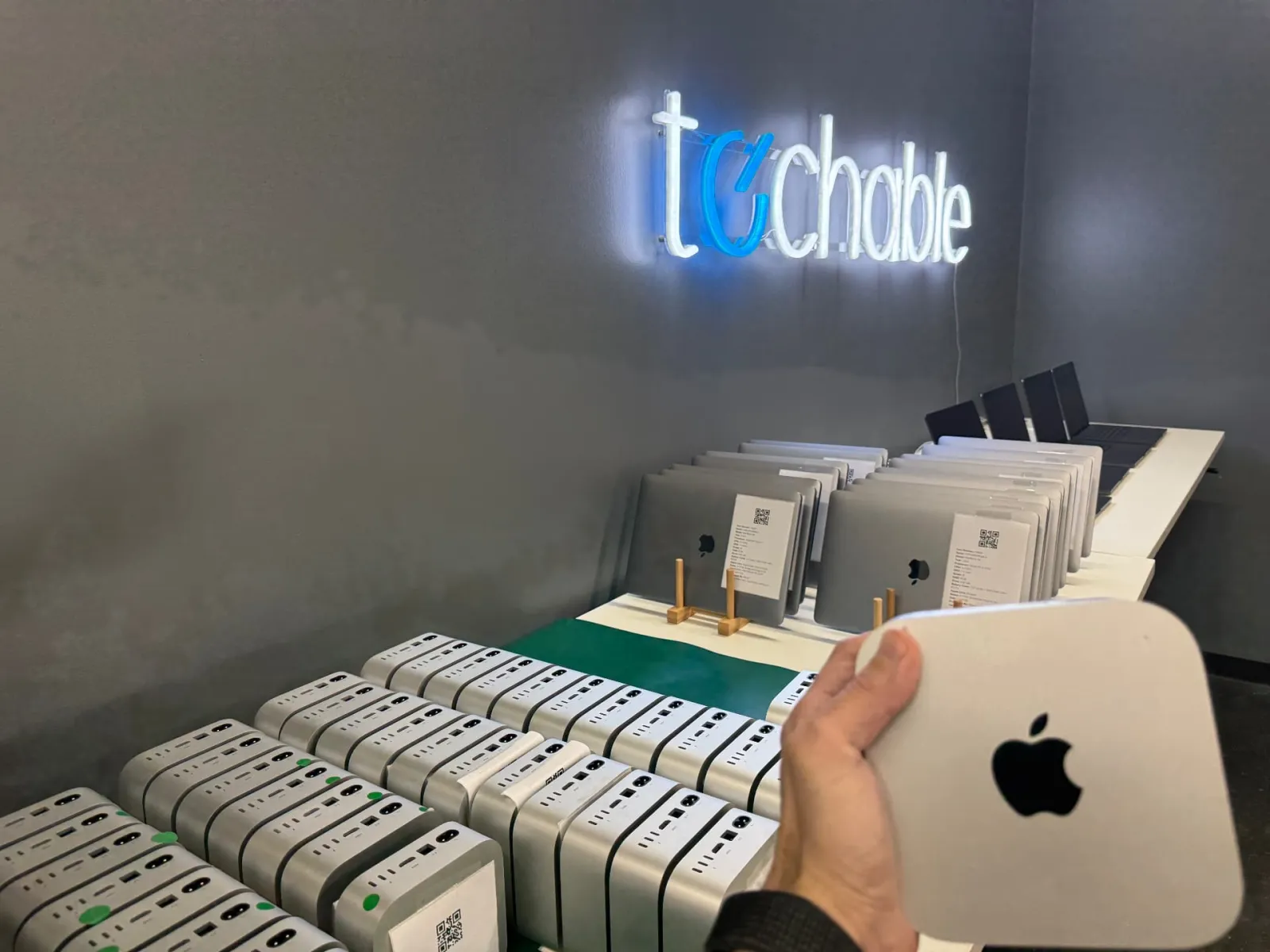
A profitable flip is not a business. It is one data point.
Buy a used MacBook, clean it up, sell it for more than you paid. That works. It feels like proof. Most people stop thinking right there, because the math closed and the money showed up.
Since 2008 I've learned that one flip tells you almost nothing about whether the same call holds up when you make it again and again. One unit hides everything. It hides how long your money was tied up, because it wasn't much money. It hides the labor, because you did it yourself and didn't charge yourself for it. It hides your mistake rate, because one isn't a sample.
Make that same call across a hundred units and the hidden parts stop hiding. Across a thousand, they are the business.
The business is everything between the buy and the sale
People think resale is buying and selling. Those are the two easiest parts. Everything expensive lives in the middle. Intake, testing, data wipes, parts, bench time, photos, listing, packing, returns, disputes, and figuring out which channel a device belongs in at all.
None of that shows up when you flip one machine. All of it shows up when you're doing it by the pallet, and it shows up as time and cash instead of a line item you can point at. That's where most people who are good at flipping get stuck.
Inventory is cash sitting on a shelf
I say that a lot inside the businesses and I mean it literally. Every device on a rack is money we already spent. It's not a number in a spreadsheet. It's cash we don't have anymore, and it doesn't come back until somebody buys the thing.
So a good margin on paper can still be a bad buy. You look at what you paid, look at what the model sells for, and see a comfortable gap. The gap is real. It just isn't profit yet. It depends entirely on how long the device takes to leave.
Some inventory can wait. A pallet of hand tools doesn't care what month it is. Computers do. Prices move, usually one direction. New models reset what a buyer expects for the money. Batteries keep aging in a box. Support windows shift and an easy sell turns into a machine that needs an explanation. None of that happens because you did something wrong. It happens because time passed.
Then there's the labor side. A device with a known issue doesn't just sit there, it owes you work. Diagnosis, a part, a bench hour, a retest. Buy fifty of those at once and you didn't buy inventory, you bought a queue.
Velocity changes the math and compounds the capital
I don't look at margin by itself anymore. I look at margin next to how fast the thing is likely to move, because the second number changes what the first one is worth. Two devices with the same spread on paper are not the same buy if one goes out this week and the other is still here next quarter.
The slow one costs more than it looks. It takes up space and attention, it gets handled and moved and recounted, and the cash inside it can't go buy something that would have sold in the meantime. That's the real cost of slow inventory. Not the write down at the end. The deals you couldn't do while your money was parked.
The same money, turned more often, does more work at the same margin, because every time it comes back it can go buy the next thing. Nobody has to hand you more money for that. You just have to stop letting the money you already have sit still.
We wrote up the pricing side separately, because the number you offer a seller is where most of this gets decided.
How We Decide What a Used Mac Is Worth The buying logic that sits underneath everything here.
Repeatability beats one great deal
A great deal is a good day. I would rather have a source I can buy from every month at an ordinary margin than one score I can't explain or do again.
If the answer only works when I make the call, I haven't really built much of a system yet. It has to get out of my head and onto paper. What we buy, what we pay, what we don't touch, what gets tested, what gets disclosed. Otherwise it falls apart the first busy week.
How devices end up outside the normal flow
At our scale, not every device belongs in the same sales channel. Obvious when you write it down. In practice it's the thing that quietly piles up.
Techable and SellMac move a lot of technology from one owner to the next. Most of it goes through the normal retail process. Some of it doesn't fit that process the day it arrives. An odd configuration. A part we don't have on hand. An issue that's easy to describe but not worth a bench hour right now. So it gets set aside, and that's usually the right call for that hour.
Do that for years at enough volume and you end up with roughly a thousand computers sitting outside the normal retail flow in different conditions. Some older, some newer, many with minor or very specific issues. Each of those calls was defensible on the day. The pile is what I'm dealing with now. It's the clearest example I have of what happens when nobody decided where these things go.
Every device needs a channel, not a discount
The lazy answer is to discount everything until it's gone. That clears space. It also lets you keep making the same buying mistake, because you never find out which call was wrong.
What actually works is deciding, honestly, which route a device belongs in.
- Normal retail, when the machine is clean and the demand is there.
- Repair first, when a known fix genuinely changes what it is worth and we have the part and the bench time.
- A reseller or wholesale lot, when someone else is better positioned to do that work than we are.
- Parts, when there is no honest path to a working retail device.
Knowing the list is easy. Making the call fast and the same way every time is the hard part, before a device has been picked up four times by four people who each decided to think about it later.
If we send inventory to another reseller, the issues go on the label. Screen, battery, firmware or activation status, cosmetics. A buyer who knows what they're getting can price it and plan the work. A buyer who finds out later doesn't come back, and then you don't have a channel.
At some point you have to buy back your own time
I used to ask one question about a device. How much can I make on this. Still fair. It just doesn't decide much anymore.
Now I'm asking how much cash this ties up and for how long. How much of my time it takes, specifically mine. Whether somebody else can make this exact call without asking me. Whether a rule can make it instead of a person. Whether software can take the work away entirely instead of moving it to someone else's desk.
That last one is where most of my head is right now. Not because automation is exciting. Because the calls that repeat eat the most hours and they're the ones I add the least to.
Low lift, high result
The changes worth making are almost never dramatic. A clear rule about what we won't buy. A default route for a category of device so it stops getting handled over and over. A cleaner intake record so the next person doesn't repeat a test. Picking a channel that fits the inventory instead of forcing inventory through the channel we already had.
I'm not going to pretend I've automated my way out of this. I'm still sorting out which changes actually pay off and which ones only feel productive. My filter is how much recurring work it removes, and whether it still works when I'm not watching.
What I am changing right now
The reseller network is one answer to all of this. We're sorting selected inventory into lots, generally ten to a hundred devices, with the known issues disclosed. It gives devices that don't fit our retail process somewhere to go, and it gives buyers a real supply line to work on.
The other change is order of operations. The old question was what do we do with this. The better question is who buys this, asked before we source more of it. If I know what a group of buyers actually wants, sourcing gets easier, routing gets faster, and the shelf gets shorter.
Join the Reseller Waitlist Tell me what you buy. Lots are being organized now.
What I am still figuring out
How much to fix before selling a lot is still open. Some repairs clearly pay for themselves. Others just move our labor into someone else's margin, and I can't always tell which is which before we start.
How much sorting is enough is open too. Sorting costs real money. Sorting too little makes a lot unsellable. I expect to learn that from the first several lots, not from a spreadsheet.
And the honest one. The fastest fix isn't selling this inventory better, it's not piling it up in the first place. That means being stricter at intake about what we actually have a channel for. Easy to say. I've been doing this since 2008 and it still happens.
What I'm building right now Where the reseller network sits against everything else.
From Techable
Related Operator Notes
- How We Decide What a Used Mac Is WorthA used Mac doesn't have one price. Here's how we actually think about a machine at SellMac before we put a number on it.
- How to Buy Used MacBooks in Bulk Without Getting BurnedBuying used MacBooks in bulk is a different decision than buying one. What I want to know about a lot before money moves, and why a cheap per unit price is the least useful number on the page.
Stuck on something like this?
Twenty minutes with me on your actual situation. $199, no pitch, no follow up sequence.
Get a clear read · $199Follow Brax
I post the short version on social. Techable Labs is where the YouTube work lives. The deeper notes live here.