 Jonathan Brax
I've Been Buying and Selling Tech Since 2008. I'm Going to Start Opening Up the Playbook.
Most of what I picked up since 2008 stayed inside the businesses. I am going to start sharing more of it, beginning with reseller lots built out of inventory we already have.
I started flipping tech in college in 2008 because I needed money. It worked, so I kept going. Over time, one problem kept leading to the next, and some of those solutions became the businesses I run today.
I never sat down and planned a group of companies. They grew out of the work. Today they touch different parts of the same technology lifecycle: buying devices, selling them, protecting them, and building the systems around the work.
Almost everything I picked up along the way stayed inside those companies. What we pay, what we pass on, where margin disappears, what sits too long. Pricing, repairs, returns, inventory, processing, sourcing. It never really left the building.
I want to start putting more of it out here instead, in these notes and in short video.
There's a practical reason I'm starting here
Techable and SellMac watch a lot of technology move from one owner to the next. Smaller resellers and repair shops are always hunting for inventory. Those two things should connect more often than they do.
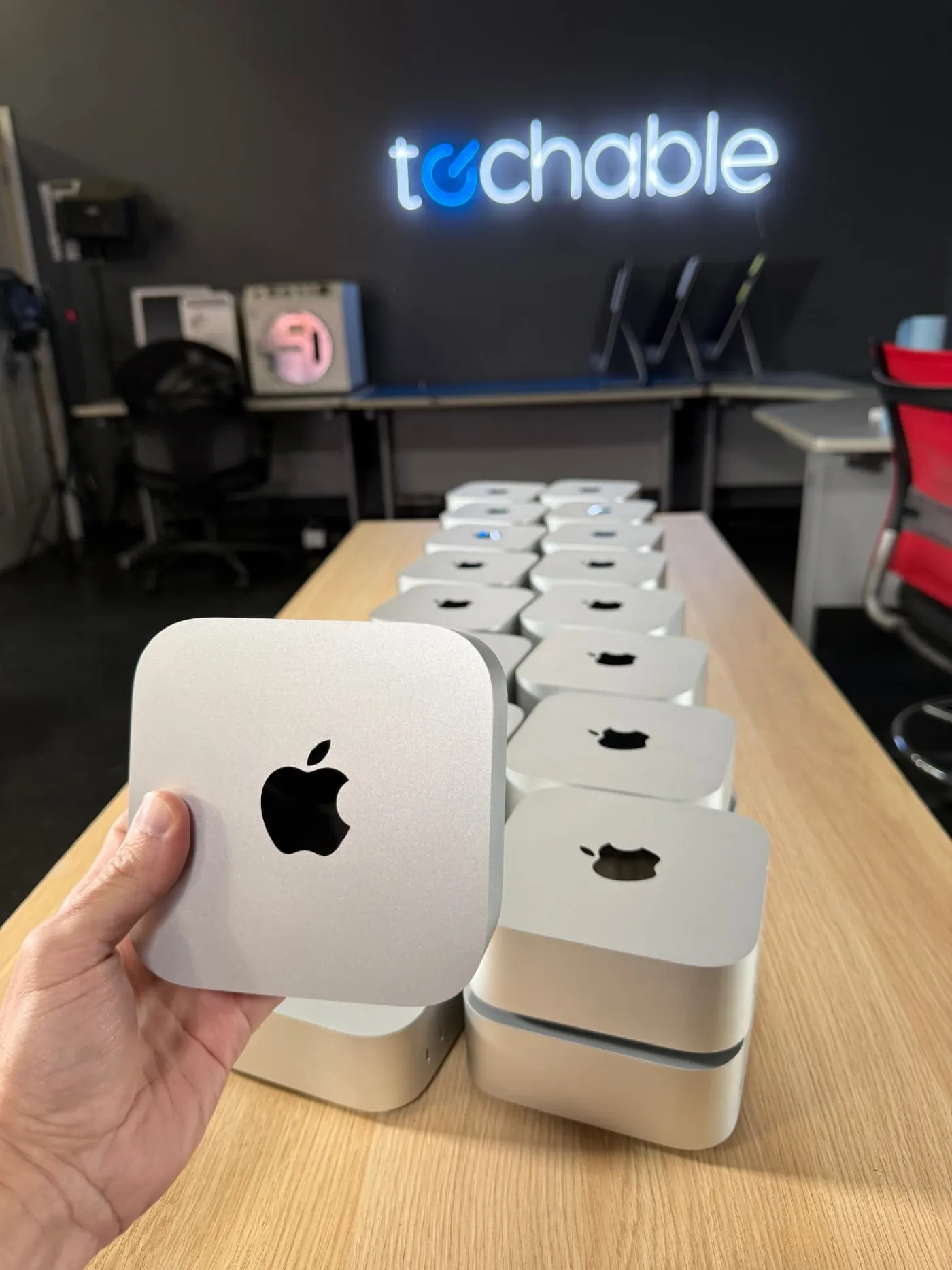
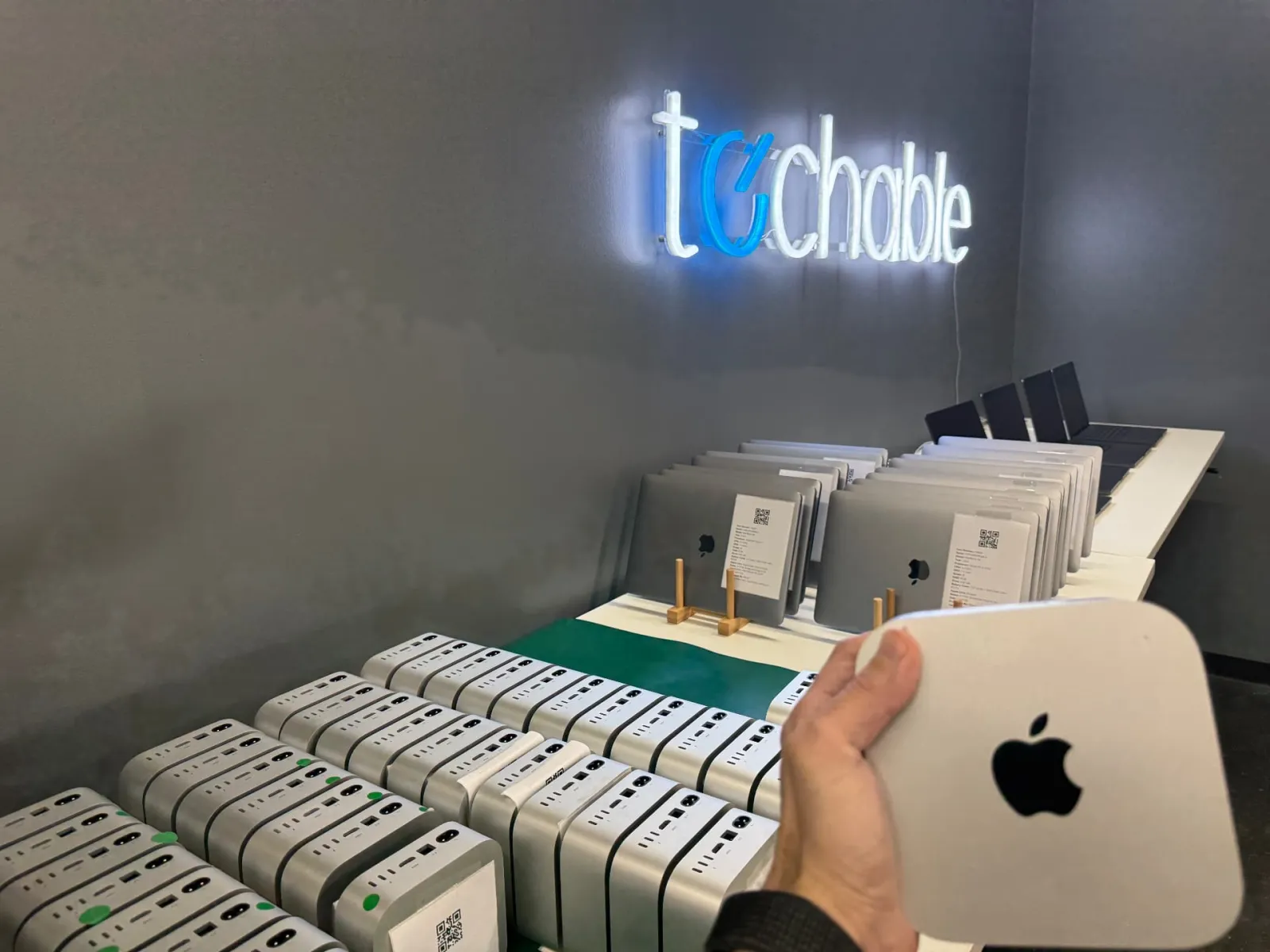
So we're starting with what's already on our shelves. Not every device belongs in the same channel. Over the years roughly 1,000 computers have piled up outside our normal retail flow, in all kinds of condition. Some older, some newer, some with minor or very specific issues. Some of it comes in through SellMac and falls outside the normal retail process.
10 to 100 device lots
We're sorting some of it into reseller lots, generally 10 to 100 devices. Known issues get disclosed. Screen, battery, firmware, cosmetic, repair, whatever it is. Buyers should know what they're getting before money moves.
There needs to be meat on the bones.
If somebody is taking on the work and the risk, the lot has to leave them room to add value. I'm not promising anyone profit. I'm telling you how we intend to price it, because a channel only lasts if the buyer keeps coming back.
This is bigger than clearing shelves
The bigger opportunity is knowing what buyers want before the next inventory shows up. If we build a real list of buyers and learn what each of them actually buys, we can start matching more of what we see to the right people. We can potentially source other inventory too. That's what I'm most interested in.
I'll share the useful parts as we go. What moves, what sits, how we price it, where I get it wrong, and where software or AI actually removes work.
Join the Reseller Waitlist
The first lots are being put together now. If you buy inventory, get on the list and tell me exactly what you buy: models, condition, quantity, and channels. That way what I send you is worth opening.
Join the Reseller Waitlist Tell me what you buy and I'll send matching lots as they're ready.
How We Decide What a Used Mac Is Worth The pricing logic behind the lots.
What I'm building right now Where the reseller network sits against everything else.
Part of Reseller Network
Buying and reselling hardware?
I'm getting real inventory ready for other resellers. The waitlist is where that starts.
Join the reseller waitlistRelated Operator Notes
- How We Decide What a Used Mac Is WorthA used Mac doesn't have one price. Here's how we actually think about a machine at SellMac before we put a number on it.
- I Left My First Company. Then I Bought SellMac Back.I sold my stake in the company I helped build. TechGator later closed. About two years after I left, I bought one of its domains back for around five thousand dollars. What that stretch taught me about the difference between a good deal and a business that lasts.
Follow Brax
I post the short version on social. Techable Labs is where the YouTube work lives. The deeper notes live here.