 Jonathan Brax
I Left My First Company. Then I Bought SellMac Back.
I sold my stake in the company I helped build. TechGator later closed. About two years after I left, I bought one of its domains back for around five thousand dollars. What that stretch taught me about the difference between a good deal and a business that lasts.
About two years after I left, SellMac.com came back around for about five thousand dollars.
That's the part people react to. A domain I had helped build a business on was for sale again, from my former partner, for about five thousand dollars. I bought it.
The price isn't the interesting part. What had changed was how I looked at the business by then. To explain that I have to back up.
Loyola, 2008
I started buying and selling tech at Loyola in 2008 to help pay for school. That's the whole origin story. No plan past the next transaction. Find a machine priced under what someone else would pay for it, handle it right, sell it, do it again.
It worked well enough that it stopped being a side thing. I started GreatBuyElectronics while I was still at Loyola. Naming it made it feel like a company. For a long time it was a habit with a bank account attached. The work stayed close to individual transactions and most of it was done by hand.
That's a fine way to start. It also teaches you almost nothing about whether the thing can run without you.
Steve put in twenty thousand dollars
My childhood friend Steve later put twenty thousand dollars in. The point of that money was a more automated buyback operation. Less handling by hand, more of a process people could send devices into.
That's when the question changed on me. Up to then it was how much can I make on this machine. With money in it and a system to build, the question was what this looks like running as a process instead of a string of transactions. Not the same question.
Seven Macs
Around 2012 I met Byron. He wanted to buy seven Macs. That was the whole introduction.
We stayed in touch. Most of the useful relationships in this business start over an actual transaction. Later we partnered, and GreatBuyElectronics was folded into TechGator.
Folding your company into someone else's is a bigger decision than it looks at the time. You're not just combining inventory and accounts. You're changing who owns the business and how decisions get made inside it. I understood the inventory side better than the rest. The rest I learned as it happened.
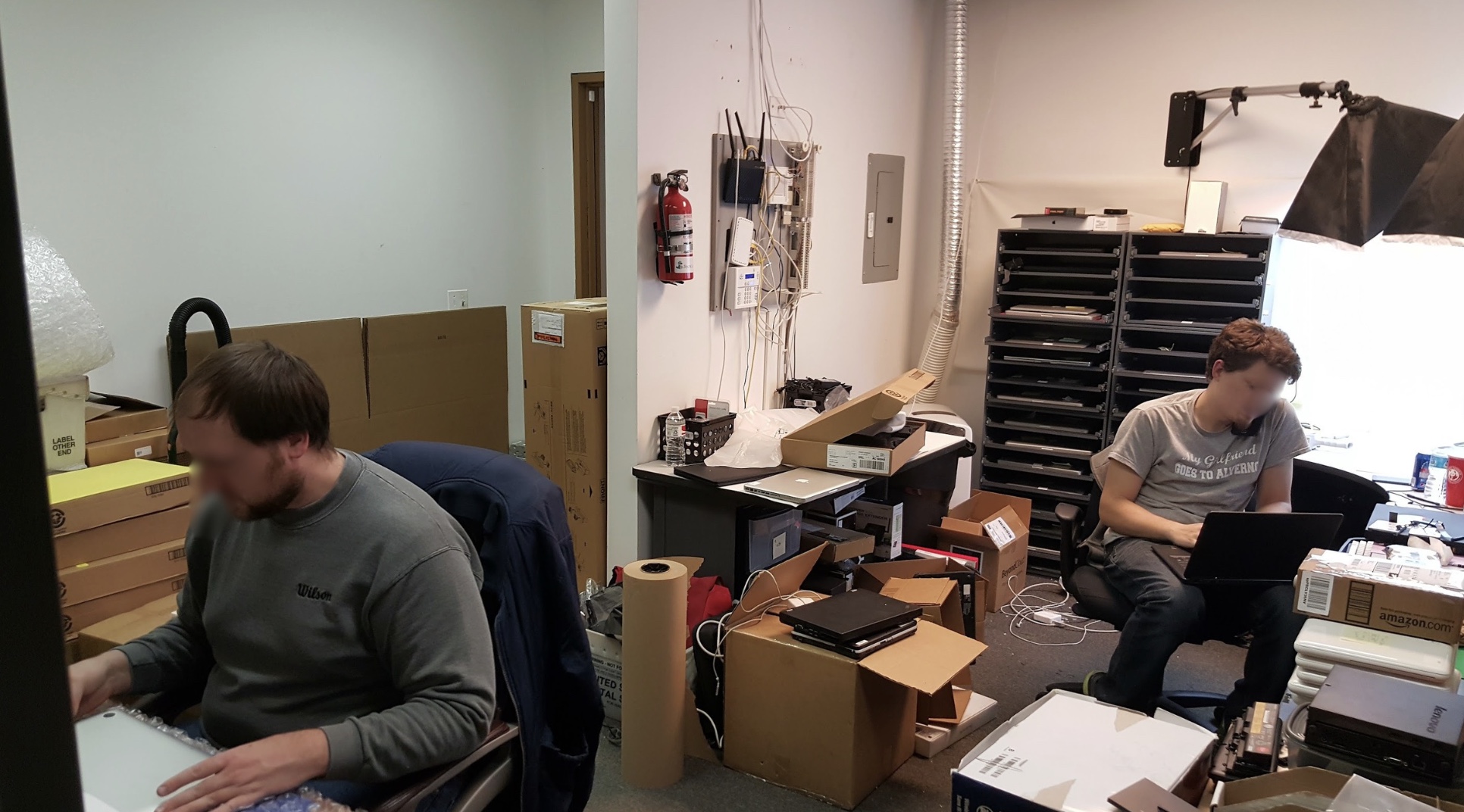
It grew, and growth covered a lot
The business grew fast. Growth can hide a lot.
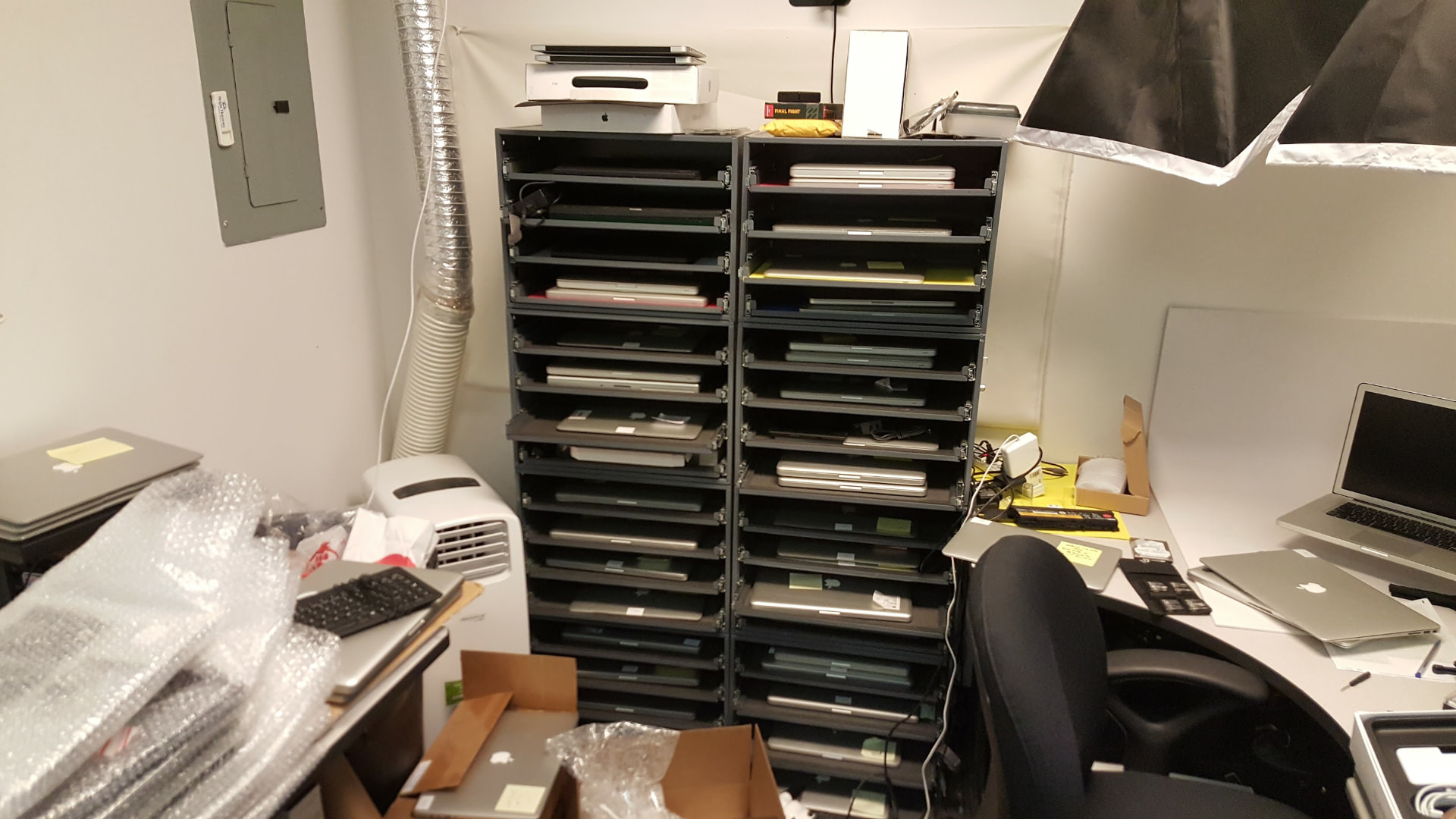
More volume means more activity, more revenue, more reasons to believe the model works. More volume made the business look healthier than parts of it really were. If the way you run things is sound, volume makes it better. If there are soft spots, volume makes them bigger and buys you some time before you notice.
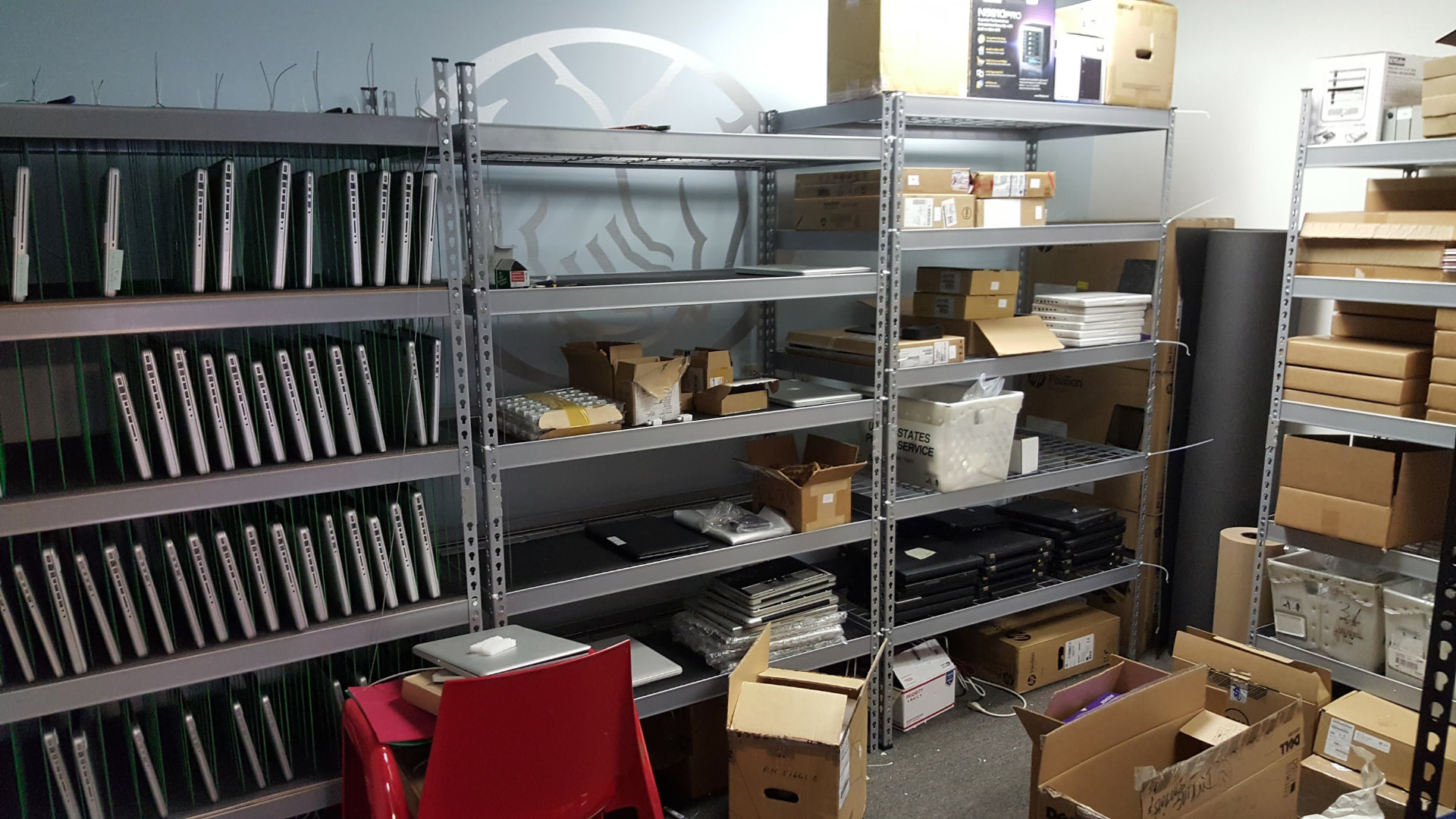
Ours were overhead, debt, and cash. Overhead gets paid whether volume shows up or not. Debt turns a slow month into a hard one. And cash in a hardware business lives inside the inventory, so you can be busy and still be short on any given week. Growth doesn't cancel any of that.
Eventually the way the business ran stopped working. It wasn't one bad decision. It was the shape of the whole thing.
I took the buyout and left
I accepted a buyout and left. Byron kept TechGator and SellMac.
I don't need to assign blame to explain what I got out of it. Plenty of what the business had become was mine to own. Some of that I saw at the time. Some of it took a while.
Worth saying plainly. Ownership is what lets you change how something runs. Once it changes hands, you can have opinions and that's it.
So read the ownership terms carefully at the start, when nothing is wrong yet and everybody is optimistic. The paperwork you sign when two businesses combine is what decides your options later, when the business is under pressure. That's less a legal point than a practical one.
What leaving clarified
What I really got out of that stretch was a change in what I paid attention to.
I knew how to make deals. That's a real skill. It's also not a business. The business is everything in between: what you buy, what you pay, who does the work, how fast the money comes back, what happens to units that don't fit the normal path, and what you owe every month whether volume shows up or not.
I also stopped treating cash and profit like the same thing. Profit is something you calculate later. Cash decides what you can do next week. When your money lives inside physical inventory, how fast that inventory turns isn't a number you review at the end of the quarter. It's what you work around every day.
And I stopped assuming more is the fix. More volume through a business that doesn't hold up just gets you to the problem faster.
A Profitable Flip Is Not a Business The operating version of what this period taught me.
TechGator closed, and then the domain came back
TechGator later closed. I wasn't there for it and I'm not going to guess at why.
Roughly two years after I left, Byron offered SellMac.com back to me for about five thousand dollars. I bought it.
The second run was a different kind of build
Rebuilding SellMac wasn't picking up where things left off. Same kind of work, different priorities.
The second time around I paid attention to what I was committing to. What gets paid every month no matter what. How long money sits inside a device before it comes back. Which calls have to go through me and which ones can be a rule someone else follows. What happens to a unit that doesn't fit the normal path, before it becomes a pile of units that don't fit the normal path.
It also changed how I think about the way out of things. A lease, a channel, a line of inventory, a partnership. Knowing how you get out before you sign isn't pessimism. It's the difference between choosing when to stop something and being told when it stops.
None of that is exciting to talk about. It's also the difference between a business that grows and one that holds up while it grows.
Where that led
That second run led to what I run now. Techable and SellMac handle hardware. SafeTech covers warranties. Secure365 is the security and IT side. Separate companies, same set of lessons, built around the questions I didn't know to ask the first time.
I don't file that period under first company failed. It's the education that made the second version possible, mistakes included.
What stayed
Ownership changed hands. What I had learned about how the work actually runs did not. That's the only reason a second run was possible.
I've been buying and selling technology since 2008. I've started things, folded one into someone else's, left one, and bought a piece of it back. What keeps me in it is that there's always a next problem worth solving.
Related Operator Notes
- A Profitable Flip Is Not a BusinessOne good resale decision proves almost nothing. What changes when the same decision repeats across hundreds or thousands of units, why inventory is cash sitting on a shelf, and what starts to matter more than margin.
- I've Been Buying and Selling Tech Since 2008. I'm Going to Start Opening Up the Playbook.Most of what I picked up since 2008 stayed inside the businesses. I am going to start sharing more of it, beginning with reseller lots built out of inventory we already have.
Follow Brax
I post the short version on social. Techable Labs is where the YouTube work lives. The deeper notes live here.