 Jonathan Brax
Why I'm Rebuilding the System Behind Our Inventory
Our inventory system still creates too much repeated work. I'm rebuilding parts of it, mostly through smaller changes that remove questions before somebody has to ask them.
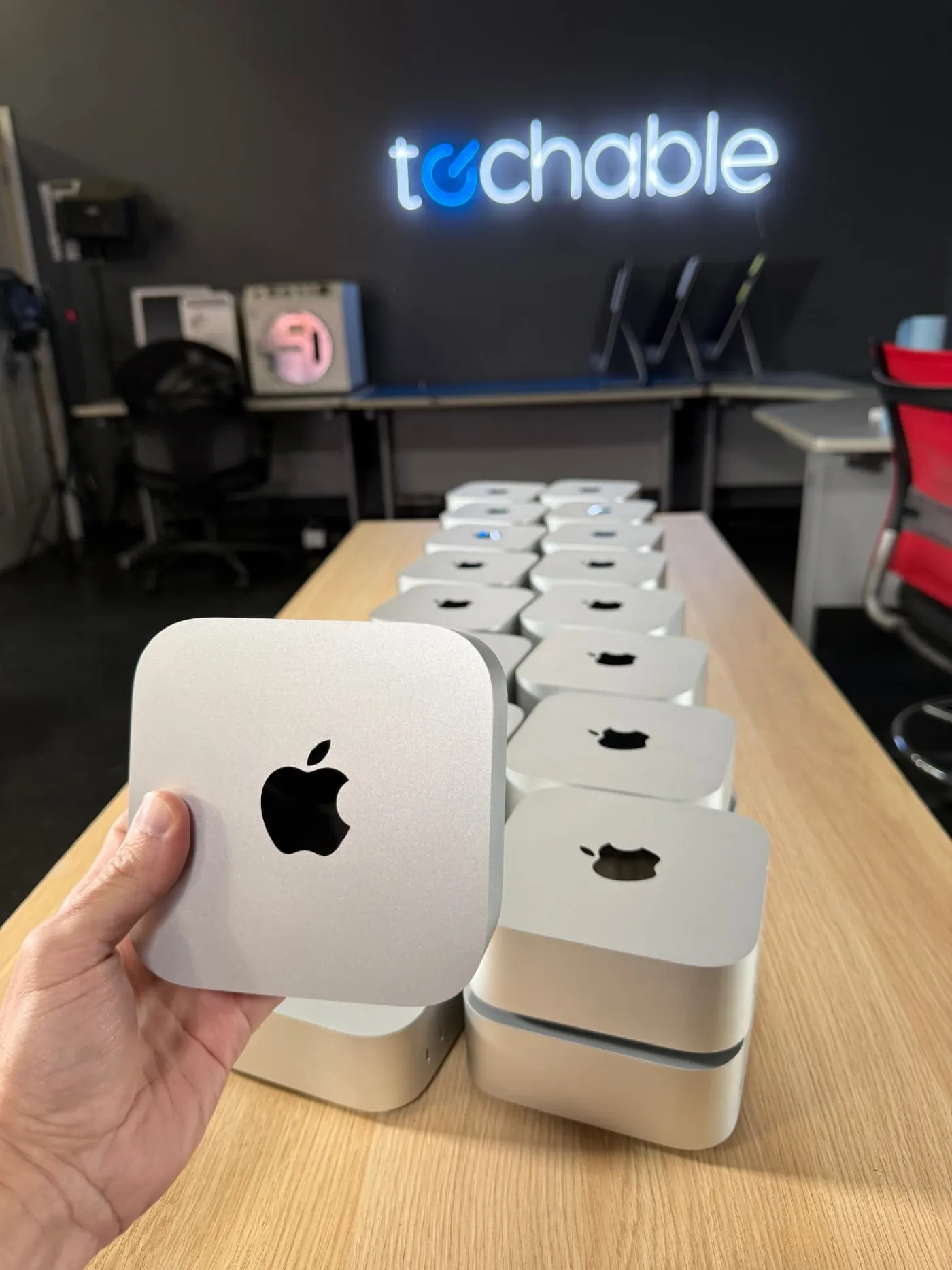
There is a point where the flexible way of doing things stops helping you. Open fields, notes typed in by hand, one person deciding how to describe a machine because they were the one holding it. Early on that is a feature. It lets you move. Later it slows everything down, and you usually notice it late. You just find yourself answering the same questions again.
Our inventory system still has a lot of open and manual areas in it. Those are where the repeated work comes from, so I'm rebuilding some of it.
What breaks first
It usually isn't the software. It's the data going into it.
The same machine can get written down different ways depending on who took it in. Configs get abbreviated. Condition gets described instead of graded. A free text field meant to hold one useful detail ends up holding a few unrelated ones. An open box invites different answers. Everybody fills it in the way that makes sense to them at the time.
That information eventually affects other things. Pricing, listings, where a unit goes next, what somebody packing it sees, what support has to explain later. Each of those has to read the record and make sense of it. When it is clean, nobody thinks about it. When it isn't, somebody stops and asks. The cost isn't the one bad record. It's all the interpreting.
The other thing I look at is how many times a device gets touched. If we are handling the same unit more than the work seems to need, my first question is whether something upstream was unclear. Not always the answer, but it's where I start.
Why I care about this specifically
Every repeated question is a small piece of somebody's time, usually more than one person's. And if every exception has to come to me, I have not really removed myself from anything. I have just moved where the bottleneck sits.
I've written before that one good deal doesn't prove much, and that the real test is what happens when the same decision repeats. Same idea here. If the answer only works when I make the call, it isn't part of the business yet.
A Profitable Flip Is Not a Business The operating version of why the repeat matters more than the one deal.
What we are actually changing
This is not a rewrite from scratch. It is a list of specific things, most of them boring:
- Standardize how a device and its data are recorded, so the same machine reads the same way no matter who took it in.
- Remove open text fields where a set of options would do the job better.
- Make intake and routing rules clearer, so where a unit goes next is decided by the record instead of by a conversation.
- Push new stock from SellMac into the inventory system directly instead of it being a separate step.
- Sync inventory and listings through APIs with eBay and Shopify.
- Improve how quantities are handled going into ShipStation.
Read as a list it looks small. Sort of the point.
The fix is usually one field
I go looking for small changes with real results. One field, one default route, one validation rule, one sync, instead of a project. A single field that keeps a question from coming up is worth more than it looks like on paper. The fix is not the valuable part. Not having to answer that question again is.
Automation is the same for me. Where it removes work, I'll test it. AI included. I'm not going to claim it's solving this, because a lot of what we're looking at starts with how data goes in, and that part is unglamorous and comes first.
This is physical inventory, so the data is not abstract
We're not moving records around. We're moving machines. When the data is inconsistent, it can create extra work in pricing, in listings, in where a unit gets routed, in fulfillment, and in support. Somebody has to sort it out somewhere.
And by the time it shows up it often doesn't look like a data problem. It looks like a shipping problem or a customer problem. That's a lot of why intake keeps getting my attention. A good amount of the expensive work later can trace back to something that was never defined at the front.
What I have not figured out
Plenty.
What to lock down and what to leave open, mostly. Structure gives you cleaner data, but a device shows up that doesn't fit the options and then you're relying on somebody to do something sensible with it. I don't know yet where that line sits for us.
How far to push automation is the other one. Automatic routing is useful right up until an edge case, and then somebody has to work out what the system did and why. I'd rather have fewer rules that hold than a lot of rules I have to babysit. That's a design concern I'm still weighing, not a conclusion.
And where human judgment still belongs. Some calls should stay with a person who's actually looking at the machine. I don't have a clean line for which ones, and I'm not going to pretend I do.
Where this goes
I've been buying and selling this equipment since 2008. As volume grows I want fewer routine decisions depending on me personally. So more of my work is setting the rules and deciding what the data has to look like, so a good decision can get made without me in the room.
That's what I'm working on now. It isn't finished and I wouldn't write it up as a case study. It's a system with real problems, a short list of changes, and a few open questions I haven't resolved.
What I'm working on right now The current list, updated as it changes.
From Techable
Related Operator Notes
- A Profitable Flip Is Not a BusinessOne good resale decision proves almost nothing. What changes when the same decision repeats across hundreds or thousands of units, why inventory is cash sitting on a shelf, and what starts to matter more than margin.
- How We Decide What a Used Mac Is WorthA used Mac doesn't have one price. Here's how we actually think about a machine at SellMac before we put a number on it.
Stuck on something like this?
Twenty minutes with me on your actual situation. $199, no pitch, no follow up sequence.
Get a clear read · $199Follow Brax
I post the short version on social. Techable Labs is where the YouTube work lives. The deeper notes live here.